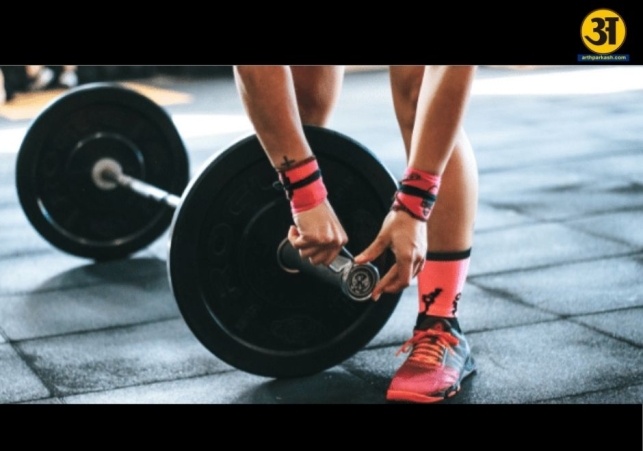
Doctors warn not every lump after lifting is just a hernia
Heavy lifting, hernia and hidden health risks: What men need to know
New Delhi: Heavy lifting is a normal part of life for many men. Some lift weights in the gym, some carry loads at work, and others move heavy objects at home. Many people believe lifting is harmless if they feel strong enough to do it. However, doctors say repeated strain, poor lifting habits and ignoring symptoms can create serious health problems.
Experts explain that lifting itself is not always dangerous. The bigger issue is how it is done, how often it is done, and whether warning signs are ignored. Poor technique can increase pressure inside the abdomen and weaken muscles over time. This may lead to a hernia and, in some cases, delay the discovery of other serious illnesses.
According to Dr Prashanth Rao, Director of Surgical Gastroenterology and Minimal Access Surgery at Gleneagles Hospital, men should pay attention to body signals instead of dismissing pain or swelling.
A hernia happens when an internal organ or tissue pushes through a weak area in the muscle wall. It often appears as a bulge or lump, especially in the groin or abdominal area. Hernias can be small at first, but they may worsen if untreated.
Doctors say many men ignore early symptoms because discomfort is mild or comes and goes. Some continue lifting heavy objects despite pain. This can make the condition worse and lead to complications.
How heavy lifting can lead to hernia
When a person lifts a heavy object, pressure inside the abdomen rises. If the abdominal wall is weak, that pressure can push tissue outward through a weak spot.
This is more likely when lifting is done with bad posture, sudden jerking movements or without support from core muscles.
Common risk factors include:
-
Repeated heavy lifting
-
Incorrect lifting technique
-
Obesity
-
Chronic coughing
-
Constipation and straining
-
Previous surgery weakness
-
Age-related muscle weakness
At first, symptoms may seem minor. A person may notice:
-
A small bulge in the groin or stomach area
-
Mild aching after lifting
-
Heaviness or pulling sensation
-
Discomfort while standing long hours
-
Pain during exercise or coughing
Because symptoms may improve with rest, many people ignore them. But hernias usually do not heal on their own. In many cases, they become larger with time.
If untreated, part of the intestine may become trapped inside the hernia. This can cut off blood supply, a dangerous emergency known as strangulation.
ALSO READ: Shooting scare at Washington Navy Yard sparks security alert
ALSO READ: How Lok Sabha seats may change after the Delimitation Bill
Warning signs needing urgent care include:
-
Sudden severe pain
-
Nausea or vomiting
-
Lump that cannot be pushed back
-
Redness or swelling
-
Fever
-
Inability to pass stool or gas
Doctors say emergency treatment may be needed in such cases.
Why not every lump is just a hernia
Experts also warn that some men assume any swelling or lump after lifting is a hernia. This can delay diagnosis of other serious conditions.
A lump in the groin or abdomen may sometimes be linked to:
-
Enlarged lymph nodes
-
Testicular problems
-
Hydrocele
-
Infection
-
Abdominal masses
-
Tumours or cancer
Doctors say self-diagnosis can be risky. A person may believe the problem is caused by lifting when the real cause is different.
In some cases, growths inside the abdomen may increase internal pressure and push tissue outward, creating a swelling that looks like a hernia. This is why medical examination is important.
Symptoms that should never be ignored include:
-
Fast-growing lump
-
Unexplained weight loss
-
Blood in urine
-
Persistent pain
-
Night sweats
-
Loss of appetite
-
Ongoing fatigue
These signs need proper medical attention rather than guesswork.
Experts say men often delay doctor visits because they are busy, embarrassed or believe pain will pass. But waiting can allow both hernias and other illnesses to worsen.
How to lift safely
Doctors advise simple precautions to reduce risk:
-
Bend knees, not the back.
-
Keep the object close to the body.
-
Tighten core muscles before lifting.
-
Avoid twisting while carrying weight.
-
Ask for help with very heavy loads.
-
Use lifting tools when possible.
-
Rest between repeated lifting tasks.
Gym users should also increase weights gradually instead of lifting beyond capacity.
Warm-up exercises and core strengthening may also help support abdominal muscles.
When to see a doctor
Medical consultation is advised if:
-
A lump appears anywhere in the groin or abdomen
-
Pain returns repeatedly after lifting
-
The swelling gets bigger
-
Daily movement becomes uncomfortable
-
Symptoms last more than a few days
Doctors may use physical examination, ultrasound or scans to confirm the cause.
Treatment depends on diagnosis. Some small hernias may be monitored for a time, while many need surgery to repair the weak muscle wall. Other causes of lumps require different treatment plans.
Health after recovery
After hernia treatment or surgery, patients are usually advised to avoid heavy lifting for a period and gradually return to activity. Weight management, healthy bowel habits and stopping smoking may reduce future strain.
Experts say the key lesson is simple: heavy lifting is not always the enemy, but careless lifting and ignored symptoms are.
What feels like a minor pull, small bulge or harmless ache may need proper attention. Getting checked early can prevent complications and offer peace of mind.
Men should not assume every swelling is just a hernia, and they should not ignore pain simply because it started after lifting something heavy.
Listening to the body, using safe technique and seeking timely care can make a major difference. Sometimes, early action is the smartest strength of all.
Related News